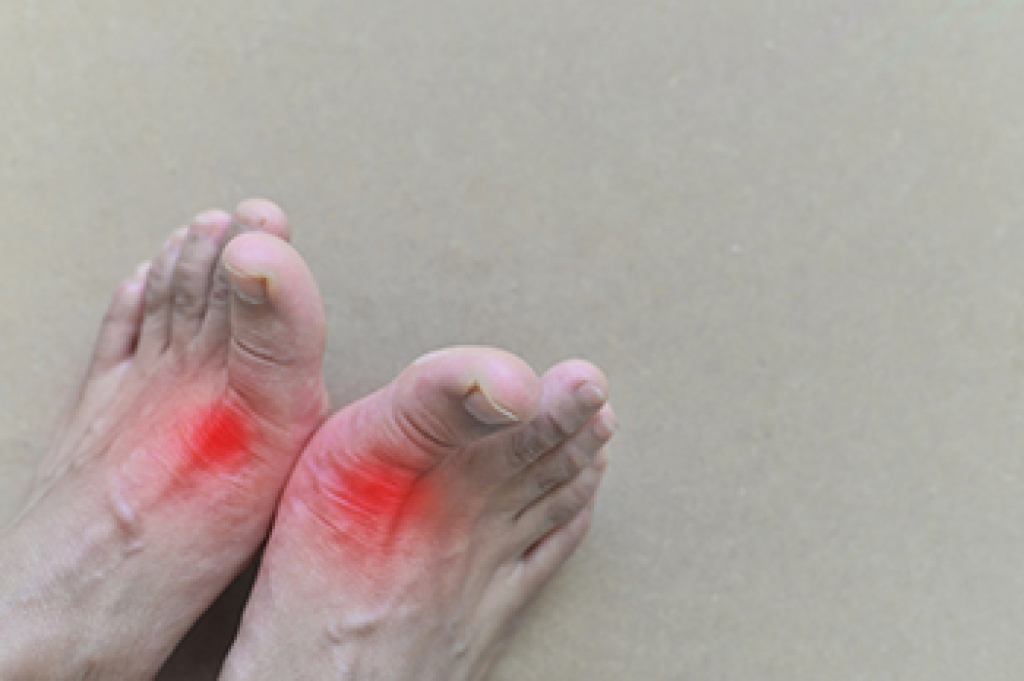
Gout Flares and Big Toe Pain

Sudden pain in the big toe can turn a routine step into an uncomfortable challenge. Gout is a painful type of arthritis that usually affects one joint at a time, often at the base of the big toe. It develops when excess uric acid, a waste product in the blood, forms sharp crystals in a joint. These crystals trigger inflammation that causes intense pain and swelling. Without treatment, repeated attacks and persistent crystal deposits damage joints and nearby bone. A podiatrist helps identify the problem and develops a treatment plan to relieve symptoms and protect foot function.

Episodes of worsening symptoms are called flares. They sometimes begin overnight, with pain severe enough to make even light pressure from a bedsheet uncomfortable. The affected joint often looks red and feels warm. Symptoms last for days or weeks, followed by periods without noticeable discomfort. However, the absence of pain does not always mean that crystal deposits have disappeared. Untreated gout sometimes leads to tophi, which are firm lumps of uric acid crystals beneath the skin. These deposits interfere with joint movement and make wearing shoes uncomfortable. Increasingly frequent flares warrant an evaluation, even when earlier episodes have resolved without treatment.

Several factors increase the likelihood of developing gout. Family history and reduced kidney function affect how the body handles uric acid. Excess body weight also raises the risk. Certain medicines and health conditions, including high blood pressure, contribute to elevated uric acid levels. However, a high uric acid level alone does not establish a gout diagnosis. A podiatrist reviews the patient's medical history and examines the painful joint. Blood tests help assess uric acid levels, while a sample of joint fluid reveals whether crystals are present. Imaging helps to assess joint damage or clarify an uncertain diagnosis. An examination also helps distinguish gout from an infection or injury.

Podiatric treatment addresses pain during a flare and the risk of future attacks. A podiatrist prescribes appropriate treatment to reduce inflammation and coordinates care with other physicians to manage uric acid levels. Follow-up visits allow the podiatrist to assess joint movement and monitor tophi. Persistent deposits sometimes require additional treatment when they damage tissue or interfere with walking. Fever with a hot, swollen joint requires prompt medical assessment because infection causes similar symptoms. If you have symptoms of gout that are affecting the feet, it is suggested that you schedule an appointment with a podiatrist for a diagnosis and appropriate treatment.

Gout is a foot condition that requires certain treatment and care. If you are seeking treatment, contact Kinna Patel, DPM from Sava Podiatry & Wellness Centers. Our doctor will treat your foot and ankle needs.

What Is Gout?

Gout is a type of arthritis caused by a buildup of uric acid in the bloodstream. It often develops in the foot, especially the big toe area, although it can manifest in other parts of the body as well. Gout can make walking and standing very painful and is especially common in diabetics and the obese.

People typically get gout because of a poor diet. Genetic predisposition is also a factor. The children of parents who have had gout frequently have a chance of developing it themselves.

Gout can easily be identified by redness and inflammation of the big toe and the surrounding areas of the foot. Other symptoms include extreme fatigue, joint pain, and running high fevers. Sometimes corticosteroid drugs can be prescribed to treat gout, but the best way to combat this disease is to get more exercise and eat a better diet.

If you have any questions, please feel free to contact our office located in Smyrna, GA . We offer the newest diagnostic and treatment technologies for all your foot care needs.

Read more about Everything You Need to Know About Gout

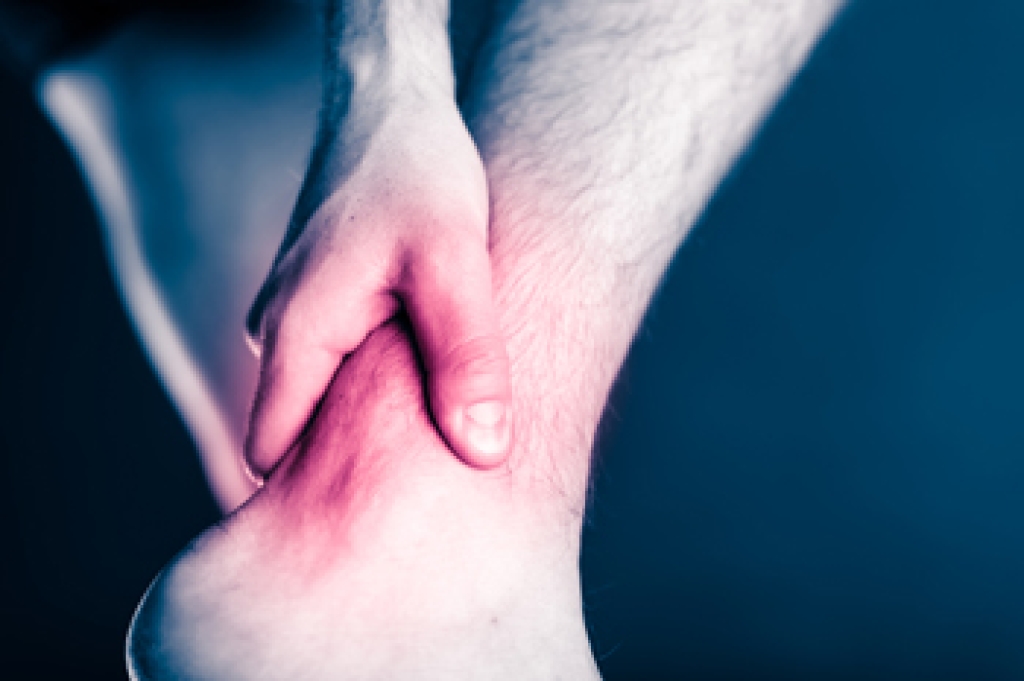
When Achilles Tendinopathy Causes Pain

Achilles tendinopathy develops when the Achilles tendon, which connects the calf muscles to the heel bone, becomes irritated from repeated stress or changes in activity. This tendon plays an important role in walking, running, and pushing off the ground. Although it is the strongest tendon in the body, excessive strain may affect its ability to recover properly. Achilles tendinopathy often develops after increased physical activity, especially activities involving repetitive movements. Tight calf muscles and improper footwear may also place additional pressure on the tendon. Over time, this may lead to persistent heel pain and difficulty moving comfortably.


Symptoms of Achilles tendinopathy often include pain, stiffness, and tenderness along the back of the heel or lower leg. Some individuals may also notice thickening around the affected tendon. Discomfort may be more noticeable in the morning or after extended periods of activity. As the problem progresses, pain may develop during walking or running, particularly on hills or uneven surfaces. Ankle stiffness and muscle weakness may also contribute to ongoing discomfort. In more severe cases, the pain may interfere with normal movement or cause a noticeable limp. Recognizing these symptoms early supports timely treatment and helps reduce the risk of continued tendon irritation.


A podiatrist evaluates Achilles tendon pain and identifies factors contributing to the discomfort. During an examination, the podiatrist assesses ankle movement, calf muscle tightness, and foot positioning to better understand the source of the problem. Treatment may involve professionally guided strengthening exercises, adjustments to physical activity, and recommendations for supportive footwear. These approaches focus on reducing excessive strain while gradually improving the tendon's ability to handle movement. Recovery may take several months, depending on the severity of the symptoms and the individual's response to treatment. If you are experiencing persistent Achilles tendon pain or stiffness, it is suggested that you consult a podiatrist for an evaluation and appropriate treatment options.

Achilles tendon injuries need immediate attention to avoid future complications. If you have any concerns, contact Kinna Patel, DPM of Sava Podiatry & Wellness Centers. Our doctor can provide the care you need to keep you pain-free and on your feet.

What Is the Achilles Tendon?

The Achilles tendon is a tendon that connects the lower leg muscles and calf to the heel of the foot. It is the strongest tendon in the human body and is essential for making movement possible. Because this tendon is such an integral part of the body, any injuries to it can create immense difficulties and should immediately be presented to a doctor.

What Are the Symptoms of an Achilles Tendon Injury?

There are various types of injuries that can affect the Achilles tendon. The two most common injuries are Achilles tendinitis and ruptures of the tendon.

Achilles Tendinitis Symptoms

  • Inflammation
  • Dull to severe pain
  • Increased blood flow to the tendon
  • Thickening of the tendon

Rupture Symptoms

  • Extreme pain and swelling in the foot
  • Total immobility

Treatment and Prevention

Achilles tendon injuries are diagnosed by a thorough physical evaluation, which can include an MRI. Treatment involves rest, physical therapy, and in some cases, surgery. However, various preventative measures can be taken to avoid these injuries, such as:

  • Thorough stretching of the tendon before and after exercise
  • Strengthening exercises like calf raises, squats, leg curls, leg extensions, leg raises, lunges, and leg presses

If you have any questions please feel free to contact our office located in Smyrna, GA . We offer the newest diagnostic tools and technology to treat your foot and ankle needs.

Read more about Achilles Tendon Injuries

Give the gift of Sava Podiatry

Show your friends, family and coworkers some love with healthy feet. It’s the self-care they didn’t know they needed in a modern, clean environment they can feel good about.
Physical gift cards can be purchased in the office.

logo gift card

Click here to view our recommendations

Your First Step to Getting Better

Don't suffer from your foot or ankle condition any longer!

We offer same day and next day appointments.

We treat: Foot, Ankle, and Knee Conditions.

Request an appointment and we will get back to you as soon as possible!

Invalid Input
Invalid Input
Invalid Input
Date of Birth / /
Invalid Input
Invalid Input
Invalid Input
Invalid Input
Invalid Input
Invalid Input
Invalid Input
Invalid Input
Advanced Podiatric Procedures & Services in the Cobb County, GA: Smyrna, Marietta, Kennesaw, Powder Springs, Austell, Mableton, Vinings, Acworth, Fulton County, GA: Atlanta, Sandy Springs, Roswell, Alpharetta, DeKalb County, GA: Brookhaven, Chamblee, Stone Mountain, Decatur areas