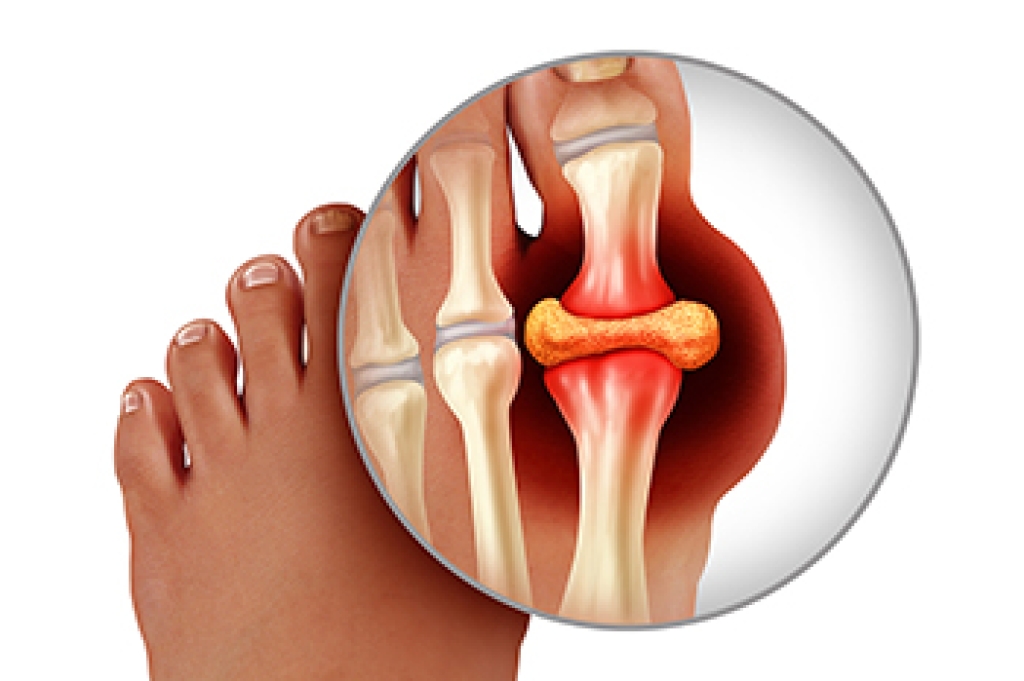
Gout is a form of inflammatory arthritis that develops when uric acid builds up in the bloodstream and forms sharp crystals in the joints. It most commonly affects the big toe, although other joints can also be involved. This condition often begins suddenly and can cause intense discomfort that disrupts daily life. Gout is known for its rapid onset and severe symptoms, which may occur without warning and require prompt attention to prevent long-term joint damage.
The symptoms of gout are often dramatic and easy to recognize. Many individuals experience sudden, severe attacks of pain that frequently begin at night. The affected joint, most often the big toe, may become swollen, tender, and warm to the touch. Even light pressure from bedding or footwear can feel unbearable. These episodes, sometimes referred to as flare-ups, can last for several days and may return if the underlying cause is not addressed. Stiffness and limited joint movement may also develop over time.
Gout occurs when excess uric acid accumulates in the body, leading to crystal formation in the joints. This buildup may result from dietary habits, reduced kidney function, or certain medical conditions. Risk factors include obesity, high blood pressure, and diabetes. A diet high in purine rich foods such as red meat and seafood is another factor. Alcohol consumption and dehydration can increase the likelihood of gout attacks. Genetics may play a role, as well, making some individuals more prone to developing this condition.
Managing gout involves reducing uric acid levels and preventing flare-ups through lifestyle changes and medical care. Maintaining a balanced diet, staying well hydrated, and avoiding trigger foods can help reduce symptoms. A podiatrist can evaluate joint pain, confirm a diagnosis, and recommend treatment options to protect joint health and improve mobility. If you have symptoms of gout, it is strongly suggested that you are under the care of a podiatrist who can help you manage this painful condition.
Gout is a painful condition that can be treated. If you are seeking treatment, contact Kinna Patel, DPM from Sava Podiatry & Wellness Centers. Our doctor will treat your foot and ankle needs.
What Is Gout?
Gout is a form of arthritis that is characterized by sudden, severe attacks of pain, redness, and tenderness in the joints. The condition usually affects the joint at the base of the big toe. A gout attack can occur at any random time, such as the middle of the night while you are asleep.
Symptoms
- Intense Joint Pain - Usually around the large joint of your big toe, and it most severe within the first four to twelve hours
- Lingering Discomfort - Joint discomfort may last from a few days to a few weeks
- Inflammation and Redness -Affected joints may become swollen, tender, warm and red
- Limited Range of Motion - May experience a decrease in joint mobility
Risk Factors
- Genetics - If family members have gout, you’re more likely to have it
- Medications - Diuretic medications can raise uric acid levels
- Gender/Age - Gout is more common in men until the age of 60. It is believed that estrogen protects women until that point
- Diet - Eating red meat and shellfish increases your risk
- Alcohol - Having more than two alcoholic drinks per day increases your risk
- Obesity - Obese people are at a higher risk for gout
Prior to visiting your podiatrist to receive treatment for gout, there are a few things you should do beforehand. If you have gout you should write down your symptoms--including when they started and how often you experience them, important medical information you may have, and any questions you may have. Writing down these three things will help your podiatrist in assessing your specific situation so that he or she may provide the best route of treatment for you.
If you have any questions, please feel free to contact our office located in Smyrna, GA . We offer the newest diagnostic and treatment technologies for all your foot care needs.