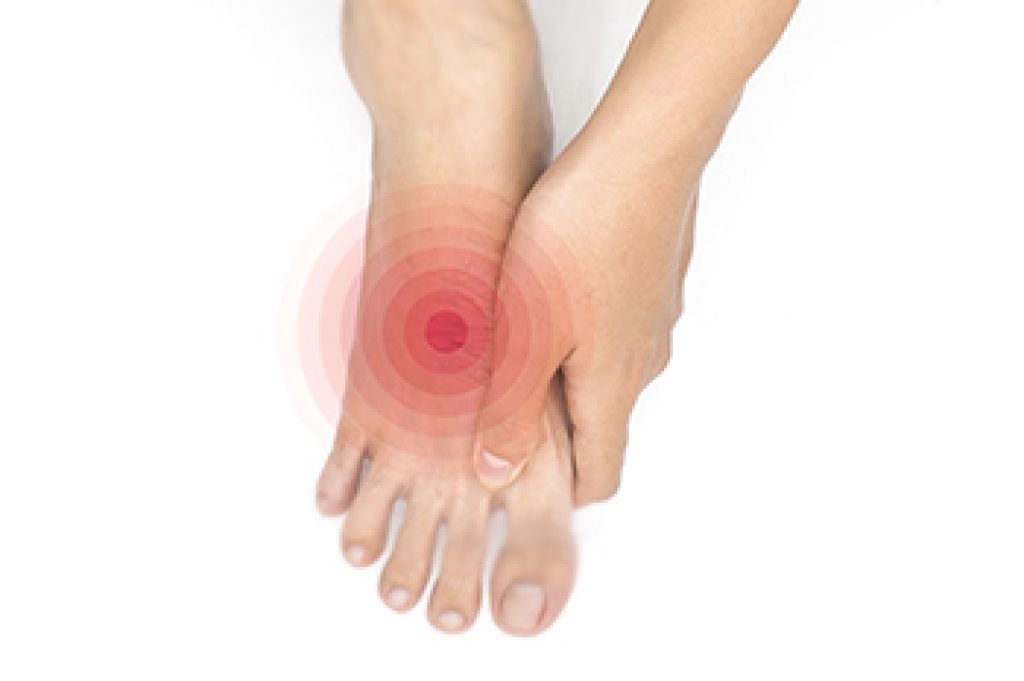
Peripheral neuropathy is a diabetes-related condition that affects the nerves, most often in the feet and lower legs. High blood sugar can damage nerves and interfere with the signals they send to the brain. As a result, a person may lose normal feeling in the feet or experience uncomfortable sensations. Symptoms include numbness, tingling, and burning pain. Some people notice sharp, shooting discomfort that becomes worse at night. Others develop reduced sensitivity to temperature or touch. Because nerve damage can make it difficult to feel injuries, even a small cut or blister can become a serious problem when unnoticed. Diabetic neuropathy can also affect balance and increase the risk of falls.
Several factors increase the risk of diabetic neuropathy. Poor blood sugar control is one of the most significant causes. The risk also rises with longer-lasting diabetes, smoking, and poor circulation. Nerve damage can lead to changes in the shape of the feet, and some people develop muscle weakness that affects how they walk. Others notice cramping, foot fatigue, or difficulty maintaining stability while walking. Loss of feeling in the feet is particularly concerning because it reduces awareness of injuries and pressure points. This increases the chance of skin breakdown, infection, and foot ulcers.
A podiatrist plays an important role in identifying and managing diabetic neuropathy. A podiatrist evaluates sensation, circulation, and foot structure. Regular foot exams help detect problems before they become severe. Treatment includes monitoring nerve-related changes, addressing pressure areas, and helping prevent wounds. A podiatrist can also recommend shoes that provide proper support and protection for feet affected by nerve damage. Patients with diabetic neuropathy benefit from consistent podiatric care because foot problems can develop without obvious warning signs. Prompt attention to numbness, burning, tingling, or unexplained foot pain is essential. It can help reduce the risk of serious complications and preserve mobility. If you have symptoms of diabetic neuropathy, it is suggested that you are under the care of a podiatrist who can provide effective relief and management tips.
Neuropathy
Neuropathy can be a potentially serious condition, especially if it is left undiagnosed. If you have any concerns that you may be experiencing nerve loss in your feet, consult with Kinna Patel, DPM from Sava Podiatry & Wellness Centers. Our doctor will assess your condition and provide you with quality foot and ankle treatment for neuropathy.
What Is Neuropathy?
Neuropathy is a condition that leads to damage to the nerves in the body. Peripheral neuropathy, or neuropathy that affects your peripheral nervous system, usually occurs in the feet. Neuropathy can be triggered by a number of different causes. Such causes include diabetes, infections, cancers, disorders, and toxic substances.
Symptoms of Neuropathy Include:
- Numbness
- Sensation loss
- Prickling and tingling sensations
- Throbbing, freezing, burning pains
- Muscle weakness
Those with diabetes are at serious risk due to being unable to feel an ulcer on their feet. Diabetics usually also suffer from poor blood circulation. This can lead to the wound not healing, infections occurring, and the limb may have to be amputated.
Treatment
To treat neuropathy in the foot, podiatrists will first diagnose the cause of the neuropathy. Figuring out the underlying cause of the neuropathy will allow the podiatrist to prescribe the best treatment, whether it be caused by diabetes, toxic substance exposure, infection, etc. If the nerve has not died, then it’s possible that sensation may be able to return to the foot.
Pain medication may be issued for pain. Electrical nerve stimulation can be used to stimulate nerves. If the neuropathy is caused from pressure on the nerves, then surgery may be necessary.
If you have any questions, please feel free to contact our office located in Smyrna, GA . We offer the newest diagnostic and treatment technologies for all your foot care needs.