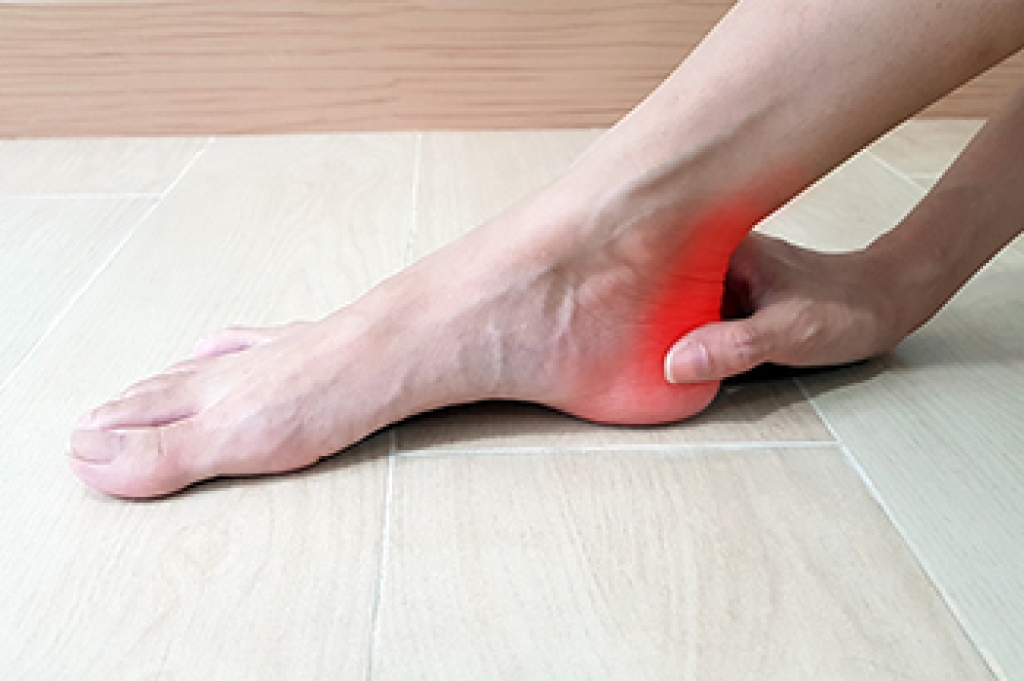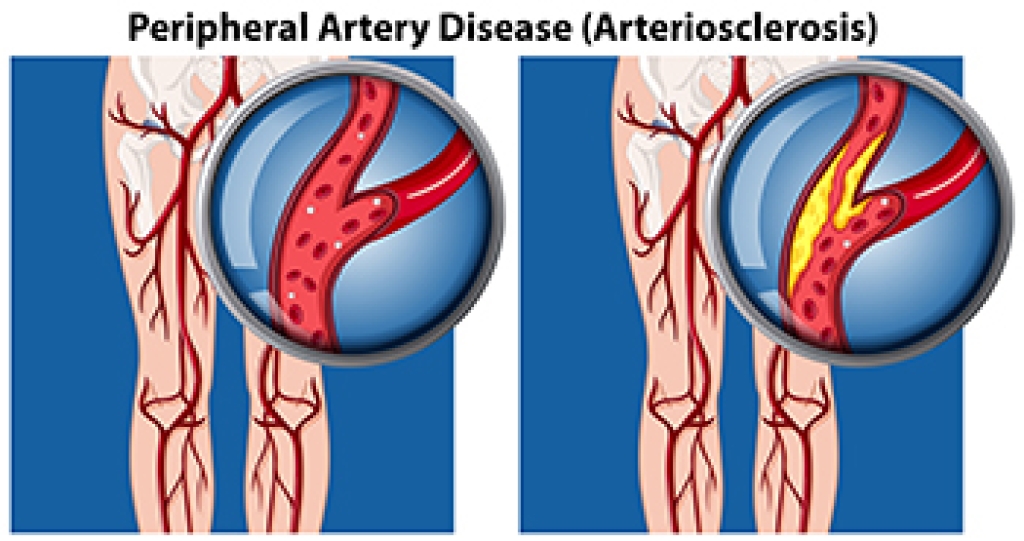
Sharp Heel Pain May Indicate Plantar Fasciitis

Plantar fasciitis develops when the strong band of tissue that supports the arch of the foot and connects the heel to the toes becomes irritated. This irritation can cause a dull ache in the heel or a sharp pain along the arch that makes every step uncomfortable. Many people notice the pain, termed plantar fasciitis,  when taking their first steps in the morning or after sitting for a long time. The discomfort can become worse after spending hours on your feet or walking on hard surfaces. Although heel pain has several possible causes, plantar fasciitis is one of the leading reasons adults seek treatment from a podiatrist. 

Repeated strain on the plantar fascia is the main cause of this condition. Running, long periods of standing, and frequent walking can place extra stress on the feet. Risk factors include being between 40 and 60 years old, carrying excess body weight, and having flat feet or very high arches. Tight calf muscles can also increase strain on the bottom of the foot. Shoes that lack proper support or do not fit correctly can make symptoms worse. A podiatrist begins with a physical examination and asks about your symptoms, daily activities, and medical history. Watching you walk also helps identify movement patterns that place added stress on the foot. Imaging tests may be recommended when another condition is suspected.

Treatment focuses on reducing strain on the plantar fascia. A podiatrist can recommend custom orthotics, supportive braces, or other medical devices that help relieve pressure on the heel. A podiatrist can also recommend stretching and strengthening exercises that improve flexibility, reduce strain on the plantar fascia, and support recovery. In some cases, carefully placed injections help reduce pain and inflammation. Surgery is reserved for severe cases that do not improve with other treatments. If you have symptoms of plantar fasciitis, it is suggested that you schedule an appointment with a podiatrist for a diagnosis and appropriate treatment.

Plantar fasciitis can be very painful and inconvenient. If you are experiencing heel pain or symptoms of plantar fasciitis, contact Kinna Patel, DPM  from Sava Podiatry & Wellness Centers. Our doctor can provide the care you need to keep you pain-free and on your feet.

What Is Plantar Fasciitis?

Plantar fasciitis is the inflammation of the thick band of tissue that runs along the bottom of your foot, known as the plantar fascia, and causes mild to severe heel pain.

What Causes Plantar Fasciitis?

  • Excessive running
  • Non-supportive shoes
  • Overpronation
  • Repeated stretching and tearing of the plantar fascia

How Can It Be Treated?

  • Conservative measures – anti-inflammatories, ice packs, stretching exercises, physical therapy, orthotic devices
  • Shockwave therapy – sound waves are sent to the affected area to facilitate healing and are usually used for chronic cases of plantar fasciitis
  • Surgery – usually only used as a last resort when all else fails. The plantar fascia can be surgically detached from the heel

While very treatable, plantar fasciitis is definitely not something that should be ignored. Especially in severe cases, speaking to your doctor right away is highly recommended to avoid complications and severe heel pain. Your podiatrist can work with you to provide the appropriate treatment options tailored to your condition.

If you have any questions, please feel free to contact our office located in Smyrna, GA . We offer the newest diagnostic and treatment technologies for all your foot care needs.

Read more about Plantar Fasciitis

Plantar Warts and Podiatry Care

Plantar warts are small skin growths that form on the bottom of the foot. They are caused by certain types of human papillomavirus, often called HPV. This virus can enter through tiny cracks or weak spots in the skin. Because plantar warts grow on areas that carry body weight, pressure can push them inward and make them painful. They may appear as rough, thickened spots on the sole of the foot. Some have tiny dark dots, which are small clotted blood vessels. Plantar warts can be mistaken for corns or calluses because they may look similar. A professional evaluation is important when a painful spot develops or does not improve.


A podiatrist can examine the growth and determine whether it is a plantar wart or another foot condition. This helps ensure the right type of care is recommended. During the visit, the podiatrist may check the size, location, and appearance of the wart. Treatment depends on the patient’s symptoms and how deep the wart has grown into the skin. Professional plantar wart treatment may include removing thickened skin, applying medical treatments, or using other in-office methods to target the wart. Some plantar warts take more than one visit to treat, especially if they are painful or have been present for a long time.


Prompt podiatry care can help reduce pain and protect healthy skin around the wart. Early treatment may also help prevent the wart from spreading or becoming harder to treat. A podiatrist can monitor healing and adjust treatment when needed, which supports better comfort while walking or standing. Professional foot wart treatment is especially helpful when pain affects daily movement or when the growth is hard to identify. If you have a painful growth on the bottom of your foot, it is suggested that you consult a podiatrist for an evaluation.

Plantar warts can be very uncomfortable. If you need your feet checked, contact Kinna Patel, DPM from Sava Podiatry & Wellness Centers. Our doctor will assist you with all of your foot and ankle needs.

About Plantar Warts

Plantar warts are the result of HPV, or human papillomavirus, getting into open wounds on the feet. They are mostly found on the heels or balls of the feet.

While plantar warts are generally harmless, those experiencing excessive pain or those suffering from diabetes or a compromised immune system require immediate medical care. Plantar warts are easily diagnosed, usually through scraping off a bit of rough skin or by getting a biopsy.

Symptoms

  • Lesions on the bottom of your feet, usually rough and grainy
  • Hard or thick callused spots
  • Wart seeds, which are small clotted blood vessels that look like little black spots
  • Pain, discomfort, or tenderness of your feet when walking or standing

Treatment

  • Freezing
  • Electric tool removal
  • Laser Treatment
  • Topical Creams (prescription only)
  • Over-the-counter medications

To help prevent developing plantar warts, avoid walking barefoot over abrasive surfaces that can cause cuts or wounds for HPV to get into. Avoiding direct contact with other warts, as well as not picking or rubbing existing warts, can help prevent the further spread of plantar warts. However, if you think you have developed plantar warts, speak to your podiatrist. He or she can diagnose the warts on your feet and recommend the appropriate treatment options.

If you have any questions, please feel free to contact our office located in Smyrna, GA . We offer the newest diagnostic and treatment technologies for all your foot care needs.

Read more about All About Plantar Warts

How Diabetic Neuropathy Affects the Feet

Peripheral neuropathy is a diabetes-related condition that affects the nerves, most often in the feet and lower legs. High blood sugar can damage nerves and interfere with the signals they send to the brain. As a result, a person may lose normal feeling in the feet or experience uncomfortable sensations. Symptoms include numbness, tingling, and burning pain. Some people notice sharp, shooting discomfort that becomes worse at night. Others develop reduced sensitivity to temperature or touch. Because nerve damage can make it difficult to feel injuries, even a small cut or blister can become a serious problem when unnoticed. Diabetic neuropathy can also affect balance and increase the risk of falls.

Several factors increase the risk of diabetic neuropathy. Poor blood sugar control is one of the most significant causes. The risk also rises with longer-lasting diabetes, smoking, and poor circulation. Nerve damage can lead to changes in the shape of the feet, and some people develop muscle weakness that affects how they walk. Others notice cramping, foot fatigue, or difficulty maintaining stability while walking. Loss of feeling in the feet is particularly concerning because it reduces awareness of injuries and pressure points. This increases the chance of skin breakdown, infection, and foot ulcers.

A podiatrist plays an important role in identifying and managing diabetic neuropathy. A podiatrist evaluates sensation, circulation, and foot structure. Regular foot exams help detect problems before they become severe. Treatment includes monitoring nerve-related changes, addressing pressure areas, and helping prevent wounds. A podiatrist can also recommend shoes that provide proper support and protection for feet affected by nerve damage. Patients with diabetic neuropathy benefit from consistent podiatric care because foot problems can develop without obvious warning signs. Prompt attention to numbness, burning, tingling, or unexplained foot pain is essential. It can help reduce the risk of serious complications and preserve mobility. If you have symptoms of diabetic neuropathy, it is suggested that you are under the care of a podiatrist who can provide effective relief and management tips. 

Neuropathy

Neuropathy can be a potentially serious condition, especially if it is left undiagnosed. If you have any concerns that you may be experiencing nerve loss in your feet, consult with Kinna Patel, DPM from Sava Podiatry & Wellness Centers. Our doctor will assess your condition and provide you with quality foot and ankle treatment for neuropathy.

What Is Neuropathy?

Neuropathy is a condition that leads to damage to the nerves in the body. Peripheral neuropathy, or neuropathy that affects your peripheral nervous system, usually occurs in the feet. Neuropathy can be triggered by a number of different causes. Such causes include diabetes, infections, cancers, disorders, and toxic substances.

Symptoms of Neuropathy Include:

  • Numbness
  • Sensation loss
  • Prickling and tingling sensations
  • Throbbing, freezing, burning pains
  • Muscle weakness

Those with diabetes are at serious risk due to being unable to feel an ulcer on their feet. Diabetics usually also suffer from poor blood circulation. This can lead to the wound not healing, infections occurring, and the limb may have to be amputated.

Treatment

To treat neuropathy in the foot, podiatrists will first diagnose the cause of the neuropathy. Figuring out the underlying cause of the neuropathy will allow the podiatrist to prescribe the best treatment, whether it be caused by diabetes, toxic substance exposure, infection, etc. If the nerve has not died, then it’s possible that sensation may be able to return to the foot.

Pain medication may be issued for pain. Electrical nerve stimulation can be used to stimulate nerves. If the neuropathy is caused from pressure on the nerves, then surgery may be necessary.

If you have any questions, please feel free to contact our office located in Smyrna, GA . We offer the newest diagnostic and treatment technologies for all your foot care needs.

Read more about Neuropathy

Reminder: When Was the Last Time...?

Custom orthotics, or shoe inserts, should be periodically replaced. Orthotics must fit properly to give you the best results. Protect your feet and ankles!

Causes and Symptoms of Ingrown Toenails

Ingrown toenails are a painful foot condition that occurs when the edge of a toenail grows into the surrounding skin. This problem most often affects the big toe. As the nail presses into the skin, irritation develops and the area becomes inflamed. Common causes include trimming the nails incorrectly, wearing tight-fitting shoes, and repeated pressure on the toes. Some people are born with nails that curve more than usual. This can increase the risk of developing an ingrown toenail. Athletes and others who spend long hours on their feet are also more likely to experience this condition. An ingrown toenail can begin as a minor problem, but it can quickly become more painful when the nail continues to grow into the skin.

Symptoms of an ingrown toenail include tenderness, redness, and swelling along the side of the nail. Pain is usually more noticeable when wearing shoes or when walking. As the condition worsens, the skin around the nail can become warm and increasingly sensitive. In some cases, drainage develops and a bacterial infection can occur. This can lead to additional swelling and discomfort. People with diabetes or circulation problems face a greater risk of complications from an infected ingrown toenail. Prompt evaluation by a podiatrist is important because the condition can become more serious when left untreated.

A podiatrist can diagnose an ingrown toenail through a careful examination of the affected toe. Treatment depends on the severity of the condition. Mild cases may respond to professional care that relieves pressure around the nail. More advanced cases may require a surgical procedure to remove part of the nail and prevent it from growing into the skin again. A podiatrist can treat infection and prescribe medication to reduce inflammation. Early treatment can help relieve pain and improve comfort while walking. If you have a painful ingrown toenail, it is suggested that you schedule an appointment with a podiatrist for an exam and appropriate treatment.

Ingrown toenails can become painful if they are not treated properly. For more information about ingrown toenails, contact Kinna Patel, DPM of Sava Podiatry & Wellness Centers. Our doctor can provide the care you need to keep you pain-free and on your feet.

Ingrown Toenails

Ingrown toenails occur when a toenail grows sideways into the bed of the nail, causing pain, swelling, and possibly infection.

Causes

  • Bacterial infections
  • Improper nail cutting such as cutting it too short or not straight across
  • Trauma to the toe, such as stubbing, which causes the nail to grow back irregularly
  • Ill-fitting shoes that bunch the toes too close together
  • Genetic predisposition

Prevention

Wearing proper fitting shoes and using proper cutting techniques will also help decrease your risk of developing ingrown toenails.

Treatment

Ingrown toenails are a very treatable foot condition. In minor cases, soaking the affected area in salt or antibacterial soaps will not only help with the ingrown nail itself, but also help prevent any infections from occurring. In more severe cases, surgery is an option. In either case, speaking to your podiatrist about this condition will help you get a better understanding of specific treatment options that are right for you.

If you have any questions, please feel free to contact our office located in Smyrna, GA . We offer the newest diagnostic and treatment technologies for all your foot care needs.

Read more about Ingrown Toenail Care

Give the gift of Sava Podiatry

Show your friends, family and coworkers some love with healthy feet. It’s the self-care they didn’t know they needed in a modern, clean environment they can feel good about.
Physical gift cards can be purchased in the office.

logo gift card

Click here to view our recommendations

Your First Step to Getting Better

Don't suffer from your foot or ankle condition any longer!

We offer same day and next day appointments.

We treat: Foot, Ankle, and Knee Conditions.

Request an appointment and we will get back to you as soon as possible!

Invalid Input
Invalid Input
Invalid Input
Date of Birth / /
Invalid Input
Invalid Input
Invalid Input
Invalid Input
Invalid Input
Invalid Input
Invalid Input
Invalid Input
Advanced Podiatric Procedures & Services in the Cobb County, GA: Smyrna, Marietta, Kennesaw, Powder Springs, Austell, Mableton, Vinings, Acworth, Fulton County, GA: Atlanta, Sandy Springs, Roswell, Alpharetta, DeKalb County, GA: Brookhaven, Chamblee, Stone Mountain, Decatur areas