Click here to view our recommendations

Understanding Gout Flares

Gout is a painful form of arthritis that develops when uric acid builds up in the body and forms sharp crystals in the joints. Gout commonly affects the big toe, but it can also affect the ankle and other foot joints. A gout flare usually begins suddenly causing intense pain and swelling. Redness, warmth, and tenderness may also occur. Even light pressure from a shoe or bed sheet can cause discomfort. Gout flares can last for several days, and may return if the condition is not properly managed. Risk factors include kidney problems, obesity, and alcohol use. Sugary drinks and joint injuries are other factors. A podiatrist can diagnose gout through an exam, imaging studies, and laboratory testing. Treatment includes reducing inflammation, protecting the affected joint, and helping prevent future flare-ups that can damage the joints. If you have symptoms of gout, it is suggested that you schedule an appointment with a podiatrist for help in managing this painful condition.

Gout is a foot condition that requires certain treatment and care. If you are seeking treatment, contact Kinna Patel, DPM from Sava Podiatry & Wellness Centers. Our doctor will treat your foot and ankle needs.

What Is Gout?

Gout is a type of arthritis caused by a buildup of uric acid in the bloodstream. It often develops in the foot, especially the big toe area, although it can manifest in other parts of the body as well. Gout can make walking and standing very painful and is especially common in diabetics and the obese.

People typically get gout because of a poor diet. Genetic predisposition is also a factor. The children of parents who have had gout frequently have a chance of developing it themselves.

Gout can easily be identified by redness and inflammation of the big toe and the surrounding areas of the foot. Other symptoms include extreme fatigue, joint pain, and running high fevers. Sometimes corticosteroid drugs can be prescribed to treat gout, but the best way to combat this disease is to get more exercise and eat a better diet.

If you have any questions, please feel free to contact our office located in Smyrna, GA . We offer the newest diagnostic and treatment technologies for all your foot care needs.

Read more about Everything You Need to Know About Gout

Are Bunions Affecting Your Everyday Life?

Have you noticed a bony protrusion on the side of your big toe? If so, you may have developed the foot condition known as a bunion. Don't let bunions interfere with your daily activities.

Facts About In-Toeing in Children

In-toeing is a walking pattern in which the feet turn inward instead of pointing straight ahead. One common cause is metatarsus adductus. This condition develops in infancy when the foot is positioned inward while in the uterus. It can also appear later in childhood due to inward twisting of the shinbone. This may give the appearance of the toes pointing toward each other during walking. Risk factors include family history and developmental positioning. Symptoms include frequent tripping, uneven walking, or noticeable inward foot alignment. Many cases improve with growth, but some may need evaluation. A podiatrist can assess walking patterns and recommend guidance or treatment if needed. If you notice signs of in-toeing in your child, it is suggested that you consult a podiatrist who can help you to monitor this condition while supporting comfortable movement.

The health of a child’s feet is vital to their overall well-being. If you have any questions regarding foot health, contact Kinna Patel, DPM of Sava Podiatry & Wellness Centers. Our doctor can provide the care you need to keep you pain-free and on your feet.

Tips for Keeping Children's Feet Healthy

  • Make sure their shoes fit properly
  • Look for any signs of in-toeing or out-toeing
  • Check to see if they have Clubfoot (condition that affects your child’s foot and ankle, twisting the heel and toes inward) which is one of the most common nonmajor birth defects.
  • Lightly cover your baby’s feet (Tight covers may keep your baby from moving their feet freely, and could prevent normal development)
  • Allow your toddler to go shoeless (Shoes can be restricting for a young child’s foot)
  • Cut toenails straight across to avoid ingrown toenails
  • Keep your child’s foot clean and dry
  • Cover cuts and scrapes. Wash any scratches with soap and water and cover them with a bandage until they’ve healed.

If you have any questions, please feel free to contact our office located in Smyrna, GA . We offer the newest diagnostic and treatment technologies for all your foot care needs.

Read more about How to Care for Your Child's Feet

Cracked Heels and Their Link to Diabetes

Cracked heels refer to dry, thickened skin on the feet that splits due to pressure and lack of moisture. This condition can be more serious for individuals with diabetes, as nerve damage in the feet may reduce sensation and delay awareness of injury. Symptoms often include flaky skin, visible fissures, inflammation, and varying levels of pain from mild discomfort to severe tenderness. In advanced cases, ulcers may develop and increase the risk of infection. Risk factors include poor circulation, prolonged standing, improper footwear, and unmanaged blood sugar levels. A podiatrist can evaluate the severity, provide treatment, and prevent complications through specialized care. Seeking professional attention early can protect foot health and overall well-being. If you have diabetes and have developed cracked heels, it is suggested that you are under the care of a podiatrist who can provide effective treatment solutions, which may include prescribed medication.

If the skin on your feet starts to crack, you may want to see a podiatrist to find treatment. If you have any concerns, contact Kinna Patel, DPM from Sava Podiatry & Wellness Centers. Our doctor can provide the care you need to keep you pain-free and on your feet.

Cracked Heels

It is important to moisturize your cracked heels in order to prevent pain, bleeding, and infection. The reason cracked heels form is because the skin on the foot is too dry to support the immense pressure placed on them. When the foot expands, the dry skin on the foot begins to split.

Ways to Help Heal Them

  • Invest in a good foot cream
  • Try Using Petroleum Jelly
  • Ease up on Soaps
  • Drink Plenty of Water

Ways to Prevent Cracked Heels

  • Moisturize After Showering
  • Skip a Shower
  • Keep Shower Water Lukewarm
  • Don’t Scrub Your Feet

If you are unsure how to proceed in treating cracked heels, seek guidance from a podiatrist. Your doctor will help you with any questions or information you may need. 

If you have any questions, please feel free to contact our office located in Smyrna, GA . We offer the newest diagnostic and treatment technologies for all your foot care needs.

Read more about Solutions for Cracked Heels

Understanding Peripheral Artery Disease and the Feet

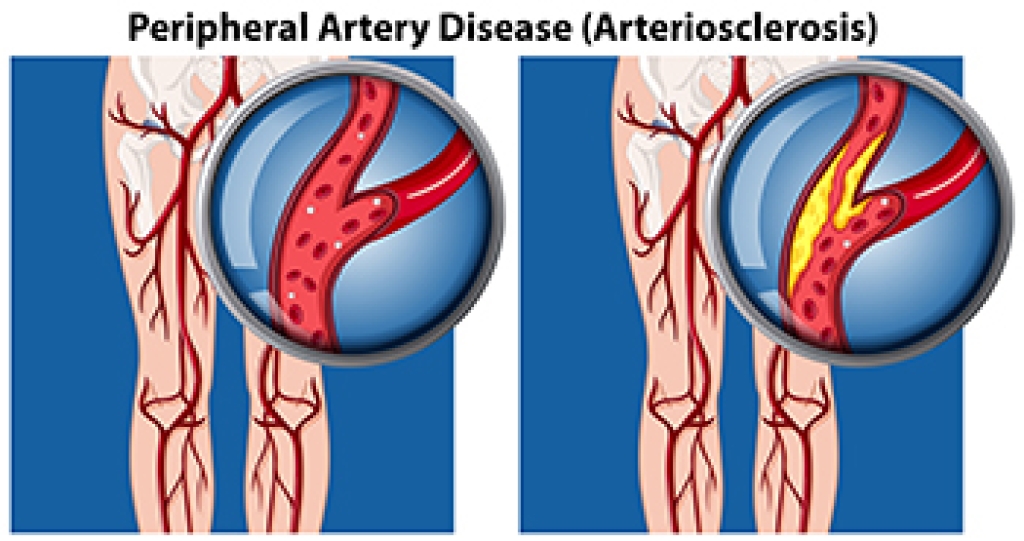
Peripheral artery disease, often called PAD, occurs when arteries become narrowed and reduce blood flow to the legs and feet. This limits oxygen delivery to tissues, which can lead to pain, especially during walking, known as claudication. Some people may also notice cold feet, skin color changes, or slower nail and hair growth. In more advanced cases, wounds on the feet may heal very slowly or not at all, increasing the risk of infection. Because the feet are far from the heart, they are especially vulnerable to poor circulation. Early detection is important to help prevent serious complications. A podiatrist can check circulation, monitor skin health, and help manage foot-related risks of PAD through routine care and guidance. They also work with other providers as needed. If you have leg pain with walking or slow-healing foot wounds, it is suggested that you seek care from a podiatrist.

Peripheral artery disease can pose a serious risk to your health. It can increase the risk of stroke and heart attack. If you have symptoms of peripheral artery disease, consult with Kinna Patel, DPM from Sava Podiatry & Wellness Centers. Our doctor will assess your condition and provide you with quality foot and ankle treatment.

Peripheral artery disease (PAD) is when arteries are constricted due to plaque (fatty deposits) build-up. This results in less blood flow to the legs and other extremities. The main cause of PAD is atherosclerosis, in which plaque builds up in the arteries.

Symptoms

Symptoms of PAD include:

  • Claudication (leg pain from walking)
  • Numbness in legs
  • Decrease in growth of leg hair and toenails
  • Paleness of the skin
  • Erectile dysfunction
  • Sores and wounds on legs and feet that won’t heal
  • Coldness in one leg

It is important to note that a majority of individuals never show any symptoms of PAD.

Diagnosis

While PAD occurs in the legs and arteries, Podiatrists can diagnose PAD. Podiatrists utilize a test called an ankle-brachial index (ABI). An ABI test compares blood pressure in your arm to you ankle to see if any abnormality occurs. Ultrasound and imaging devices may also be used.

Treatment

Fortunately, lifestyle changes such as maintaining a healthy diet, exercising, managing cholesterol and blood sugar levels, and quitting smoking, can all treat PAD. Medications that prevent clots from occurring can be prescribed. Finally, in some cases, surgery may be recommended.

If you have any questions, please feel free to contact our office located in Smyrna, GA . We offer the newest diagnostic and treatment technologies for all your foot care needs.

Read more about Peripheral Artery Disease

Your First Step to Getting Better

Don't suffer from your foot or ankle condition any longer!

We offer same day and next day appointments.

We treat: Foot, Ankle, and Knee Conditions.

Request an appointment and we will get back to you as soon as possible!

Invalid Input
Invalid Input
Invalid Input
Date of Birth / /
Invalid Input
Invalid Input
Invalid Input
Invalid Input
Invalid Input
Invalid Input
Invalid Input
Invalid Input
scroll-to-top