Podiatry Care Can Help Manage Foot and Ankle Arthritis

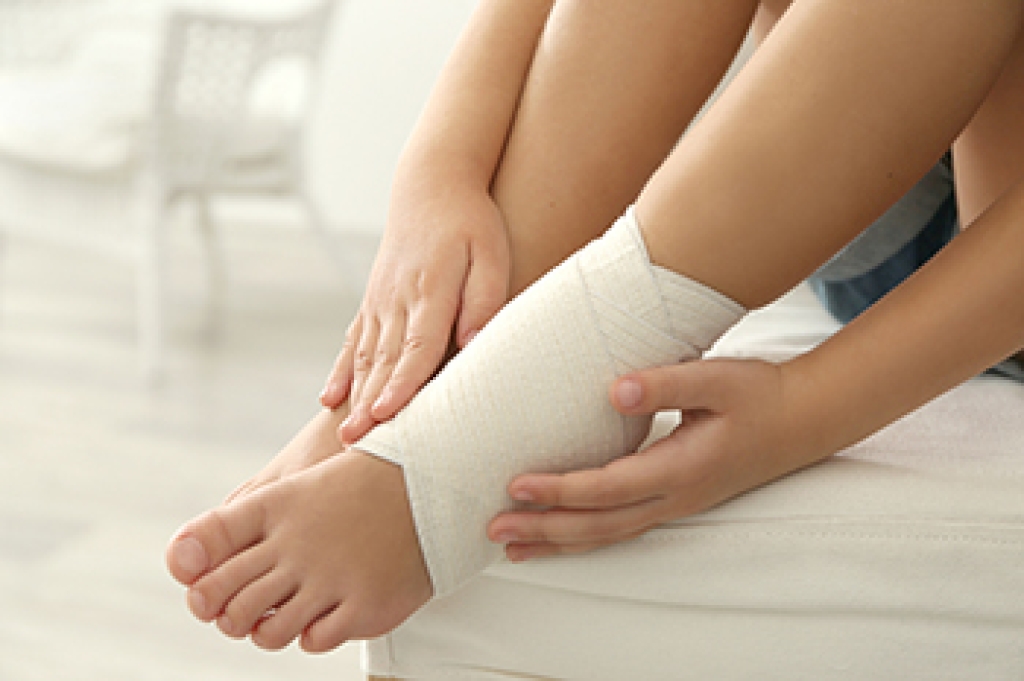
Ankle pain caused by arthritis can make walking, standing, and staying active more difficult. Arthritis affects the joints and can lead to pain, stiffness, and swelling around the ankle. Several types of arthritis can involve this area. Osteoarthritis develops as cartilage within a joint gradually breaks down. Inflammatory forms of arthritis can cause ongoing joint inflammation. Arthritis may also develop after a previous ankle injury, sometimes years after the original damage occurred. Symptoms can range from mild discomfort to pain that limits movement. Since ankle pain has many possible causes, determining whether arthritis is responsible is an important part of choosing appropriate treatment.


Arthritis-related ankle pain may become more noticeable during weight-bearing activities. Stiffness can reduce the ankle’s normal range of motion, while swelling may make movement uncomfortable. Some people also notice tenderness around the joint or changes in the way they walk. When ankle movement becomes painful, a person may place more pressure on other areas of the foot. This can contribute to additional discomfort and affect overall mobility. Arthritis symptoms may develop gradually or become worse over time. Persistent ankle pain, swelling, or stiffness should be evaluated to determine the type of arthritis and how much the joint has been affected.


A podiatrist can provide specialized arthritis foot care and evaluate how ankle arthritis is affecting movement. An examination may include checking joint mobility, areas of tenderness, and walking patterns. Imaging may also be used to look for changes within the ankle joint. Based on the diagnosis, a podiatrist can develop an individualized treatment plan aimed at reducing discomfort and supporting foot and ankle function. Podiatric care can also address changes in foot mechanics that may place added stress on painful joints. If ankle pain, swelling, or stiffness from arthritis is limiting your ability to walk comfortably, it is suggested that you consult a podiatrist for an evaluation and appropriate treatment options.

Arthritis can be a difficult condition to live with. If you are seeking treatment, contact Kinna Patel, DPM from Sava Podiatry & Wellness Centers. Our doctor can provide the care you need to keep you pain-free and on your feet.

Arthritic Foot Care  

Arthritis is a term that is commonly used to describe joint pain.  The condition itself can occur to anyone of any age, race, or gender, and there are over 100 types of it.  Nevertheless, arthritis is more commonly found in women compared to men, and it is also more prevalent in those who are overweight. The causes of arthritis vary depending on which type of arthritis you have. Osteoarthritis for example, is often caused by injury, while rheumatoid arthritis is caused by a misdirected immune system.

Symptoms

  • Swelling
  • Pain
  • Stiffness
  • Decreased Range of Motion

Arthritic symptoms range in severity, and they may come and go. Some symptoms stay the same for several years but could potentially get worse with time. Severe cases of arthritis can prevent its sufferers from performing daily activities and make walking difficult.

Risk Factors

  • Occupation – Occupations requiring repetitive knee movements have been linked to osteoarthritis
  • Obesity – Excess weight can contribute to osteoarthritis development
  • Infection – Microbial agents can infect the joints and trigger arthritis
  • Joint Injuries – Damage to joints may lead to osteoarthritis
  • Age – Risk increases with age
  • Gender –Most types are more common in women
  • Genetics – Arthritis can be hereditary

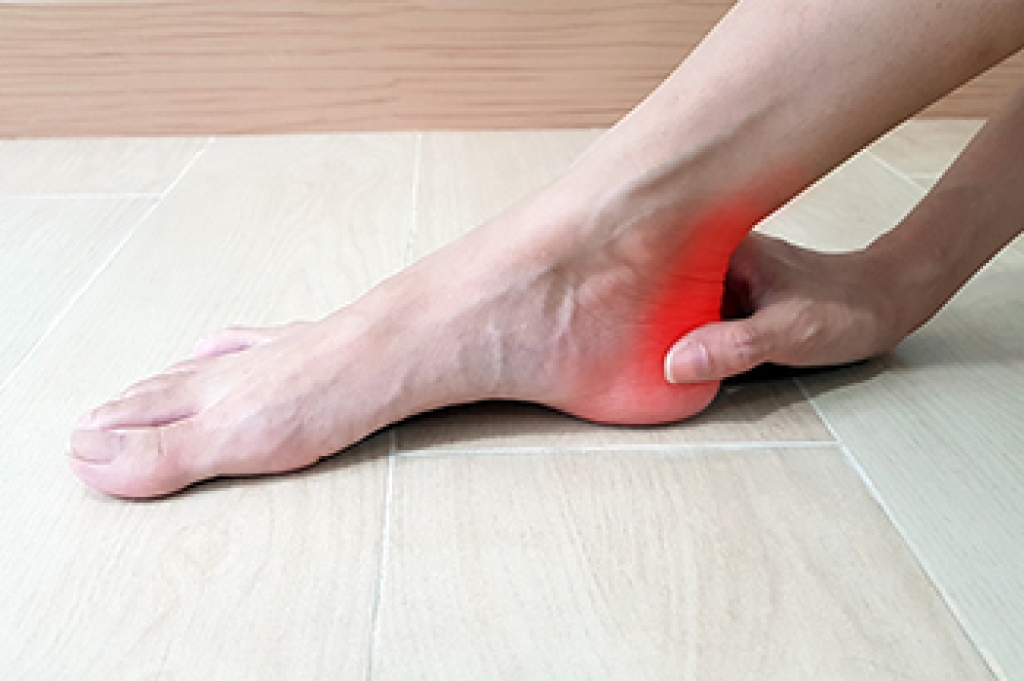
If you suspect your arthritis is affecting your feet, it is crucial that you see a podiatrist immediately. Your doctor will be able to address your specific case and help you decide which treatment method is best for you.

If you have any questions please feel free to contact our office located in Smyrna, GA . We offer the newest diagnostic tools and technology to treat your foot and ankle needs.
Read more about How to Care for Your Arthritic Foot

Keep Your Feet Healthy So You Can Stay Active

Have your feet inspected by a professional before starting a new sport or physical activity. Taking charge of your foot health will keep you in good physical condition and can help you avoid a potential injury, such as a fracture or sprained ankle.

Prevent injuries and see a foot specialist.

Gout Pain in the Big Toe

Gout is a form of inflammatory arthritis that develops when uric acid builds up in the bloodstream and forms sharp crystals in the joints. It most commonly affects the big toe, although other joints can also be involved. This condition often begins suddenly and can cause intense discomfort that disrupts daily life. Gout is known for its rapid onset and severe symptoms, which may occur without warning and require prompt attention to prevent long-term joint damage.

The symptoms of gout are often dramatic and easy to recognize. Many individuals experience sudden, severe attacks of pain that frequently begin at night. The affected joint, most often the big toe, may become swollen, tender, and warm to the touch. Even light pressure from bedding or footwear can feel unbearable. These episodes, sometimes referred to as flare-ups, can last for several days and may return if the underlying cause is not addressed. Stiffness and limited joint movement may also develop over time.


Gout occurs when excess uric acid accumulates in the body, leading to crystal formation in the joints. This buildup may result from dietary habits, reduced kidney function, or certain medical conditions. Risk factors include obesity, high blood pressure, and diabetes. A diet high in purine rich foods such as red meat and seafood is another factor. Alcohol consumption and dehydration can increase the likelihood of gout attacks. Genetics may play a role, as well, making some individuals more prone to developing this condition.


Managing gout involves reducing uric acid levels and preventing flare-ups through lifestyle changes and medical care. Maintaining a balanced diet, staying well hydrated, and avoiding trigger foods can help reduce symptoms. A podiatrist can evaluate joint pain, confirm a diagnosis, and recommend treatment options to protect joint health and improve mobility. If you have symptoms of gout, it is strongly suggested that you are under the care of a podiatrist who can help you manage this painful condition.

Gout is a painful condition that can be treated. If you are seeking treatment, contact Kinna Patel, DPM from Sava Podiatry & Wellness Centers. Our doctor will treat your foot and ankle needs.

What Is Gout?

Gout is a form of arthritis that is characterized by sudden, severe attacks of pain, redness, and tenderness in the joints. The condition usually affects the joint at the base of the big toe. A gout attack can occur at any random time, such as the middle of the night while you are asleep.

Symptoms

  • Intense Joint Pain - Usually around the large joint of your big toe, and it most severe within the first four to twelve hours
  • Lingering Discomfort - Joint discomfort may last from a few days to a few weeks
  • Inflammation and Redness -Affected joints may become swollen, tender, warm and red
  • Limited Range of Motion - May experience a decrease in joint mobility

Risk Factors

  • Genetics - If family members have gout, you’re more likely to have it
  • Medications - Diuretic medications can raise uric acid levels
  • Gender/Age - Gout is more common in men until the age of 60. It is believed that estrogen protects women until that point
  • Diet - Eating red meat and shellfish increases your risk
  • Alcohol - Having more than two alcoholic drinks per day increases your risk
  • Obesity - Obese people are at a higher risk for gout

Prior to visiting your podiatrist to receive treatment for gout, there are a few things you should do beforehand. If you have gout you should write down your symptoms--including when they started and how often you experience them, important medical information you may have, and any questions you may have. Writing down these three things will help your podiatrist in assessing your specific situation so that he or she may provide the best route of treatment for you.

If you have any questions, please feel free to contact our office located in Smyrna, GA . We offer the newest diagnostic and treatment technologies for all your foot care needs.

Read more about Gout

Foot and Ankle Injuries in Athletes

Sports-related foot and ankle injuries can interrupt training, limit performance, and make everyday movement uncomfortable. Running, jumping, and sudden changes in direction place repeated stress on the feet and ankles, increasing the risk of injury. Common problems include ankle sprains, stress fractures, tendon injuries, and heel pain. Tendons are strong bands of tissue that connect muscles to bones. Symptoms include pain, swelling, bruising, and stiffness. Difficulty putting weight on the affected foot or ankle is another sign. Some injuries develop suddenly after a fall or awkward landing, while others result from repeated stress that gradually damages bones or soft tissues. Early evaluation helps identify the source of pain before the injury becomes more serious.

A podiatrist carefully evaluates foot structure, ankle stability, and walking pattern to determine what is contributing to the injury. The examination also identifies areas of tenderness and movement problems that increase stress on the feet during sports and other activities. Treatment includes custom orthotics, footwear recommendations, and care tailored to the specific injury. A podiatrist can also recommend exercises that improve flexibility, strength, and balance to support recovery and help reduce the risk of future injuries. Regular evaluations help monitor healing and guide a safe return to athletic activities. Improving foot mechanics can also reduce unnecessary strain on the joints and supporting tissues while walking and running.

Ignoring a sports-related foot or ankle injury can lead to ongoing pain, reduced performance, and a greater chance of repeated injuries. Returning to sports too quickly can increase stress on healing tissues and delay recovery. Wearing shoes that provide proper support and addressing movement problems can help protect the feet and ankles during physical activity. Early podiatry care improves foot function, supports healthy movement, and helps patients return to their favorite activities with greater confidence. If you have sustained a sports-related foot and ankle injury, it is suggested that you schedule an appointment with a podiatrist for diagnosis and treatment.

Ankle and foot injuries are common among athletes and in many sports. They can be caused by several problems and may be potentially serious. If you are feeling pain or think you were injured in a sporting event or when exercising, consult with Kinna Patel, DPM from Sava Podiatry & Wellness Centers. Our doctor will assess your condition and provide you with quality foot and ankle treatment.

Common Injuries

The most common injuries that occur in sporting activities include:

  • Achilles Tendonitis
  • Achilles Tendon Rupture
  • Ankle Sprains
  • Broken Foot
  • Plantar Fasciitis
  • Stress Fractures
  • Turf Toe

Symptoms

Symptoms vary depending upon the injury and in some cases, there may be no symptoms at all. However, in most cases, some form of symptom is experienced. Pain, aching, burning, bruising, tenderness, tightness or stiffness, sensation loss, difficulty moving, and swelling are the most common symptoms.

Treatment

Just as symptoms vary depending upon the injury, so do treatment options. A common treatment method is known as the RICE method. This method involves rest, applying ice, compression and elevating the afflicted foot or ankle. If the injury appears to be more serious, surgery might be required, such as arthroscopic or reconstructive surgery. Lastly, rehabilitation or therapy might be needed to gain full functionality in the afflicted area. Any discomfort experienced by an athlete must be evaluated by a licensed, reputable medical professional.  

If you have any questions please contact our office located in Smyrna, GA . We offer the newest diagnostic and treatment technologies for all your foot and ankle needs.

Read more about Sports Related Foot and Ankle Injuries

Dealing With Hammertoe

Hammertoe is a foot deformity that causes one or more of the smaller toes to bend downward at the middle joint instead of lying flat. The condition most often affects the second toe, although it can occur in other toes as well. In its early stages, the toe may still be flexible. Over time, it can become stiff and more difficult to straighten. Common symptoms include toe pain, swelling, and redness around the affected joint. Some people also develop corns or calluses because the bent toe rubs against footwear. As hammertoe progresses, walking and wearing shoes may become increasingly uncomfortable. A podiatric evaluation is important to identify the severity of the condition and recommend the most appropriate treatment.


Several factors can contribute to hammertoe, including muscle imbalance, arthritis, and previous toe injuries. Wearing shoes that place excessive pressure on the toes may also increase the risk. As the toe remains in a bent position, the surrounding muscles and tendons may tighten, making the deformity more difficult to correct. Ongoing changes in toe alignment can also affect balance and alter normal walking patterns. A thorough podiatry examination helps determine how the deformity is affecting foot function and whether other conditions are contributing to the problem. Early diagnosis allows treatment to begin before the toe becomes permanently rigid.


A podiatrist specializes in diagnosing and treating hammertoe while evaluating the overall structure and function of the foot. Professional treatment focuses on relieving discomfort, improving mobility, and slowing the progression of the deformity. Care is tailored to each patient's condition and may be adjusted as symptoms change over time. Regular follow-up visits also help monitor foot health and address new concerns before they become more serious. If hammertoe is causing pain, limiting your mobility, or making it difficult to wear shoes comfortably, it is suggested that you consult a podiatrist for an evaluation and appropriate treatment options.

Hammertoe

Hammertoes can be a painful condition to live with. For more information, contact Kinna Patel, DPM from Sava Podiatry & Wellness Centers. Our doctor will answer any of your foot- and ankle-related questions.

Hammertoe is a foot deformity that affects the joints of the second, third, fourth, or fifth toes of your feet. It is a painful foot condition in which these toes curl and arch up, which can often lead to pain when wearing footwear.

Symptoms

  • Pain in the affected toes
  • Development of corns or calluses due to friction
  • Inflammation
  • Redness
  • Contracture of the toes

Causes

Genetics – People who are genetically predisposed to hammertoe are often more susceptible

Arthritis – Because arthritis affects the joints in your toes, further deformities stemming from arthritis can occur

Trauma – Direct trauma to the toes could potentially lead to hammertoe

Ill-fitting shoes – Undue pressure on the front of the toes from ill-fitting shoes can potentially lead to the development of hammertoe

Treatment

Orthotics – Custom made inserts can be used to help relieve pressure placed on the toes and therefore relieve some of the pain associated with it

Medications – Oral medications such as anti-inflammatories or NSAIDs could be used to treat the pain and inflammation hammertoes causes. Injections of corticosteroids are also sometimes used

Surgery – In more severe cases where the hammertoes have become more rigid, foot surgery is a potential option

If you have any questions, please feel free to contact our office located in Smyrna, GA . We offer the newest diagnostic and treatment technologies for all your foot care needs.

Read more about What Are Hammertoes?

Give the gift of Sava Podiatry

Show your friends, family and coworkers some love with healthy feet. It’s the self-care they didn’t know they needed in a modern, clean environment they can feel good about.
Physical gift cards can be purchased in the office.

logo gift card

Click here to view our recommendations

Your First Step to Getting Better

Don't suffer from your foot or ankle condition any longer!

We offer same day and next day appointments.

We treat: Foot, Ankle, and Knee Conditions.

Request an appointment and we will get back to you as soon as possible!

Invalid Input
Invalid Input
Invalid Input
Date of Birth / /
Invalid Input
Invalid Input
Invalid Input
Invalid Input
Invalid Input
Invalid Input
Invalid Input
Invalid Input
Advanced Podiatric Procedures & Services in the Cobb County, GA: Smyrna, Marietta, Kennesaw, Powder Springs, Austell, Mableton, Vinings, Acworth, Fulton County, GA: Atlanta, Sandy Springs, Roswell, Alpharetta, DeKalb County, GA: Brookhaven, Chamblee, Stone Mountain, Decatur areas