Click here to view our recommendations

What Can Cause Toenail Fungus?

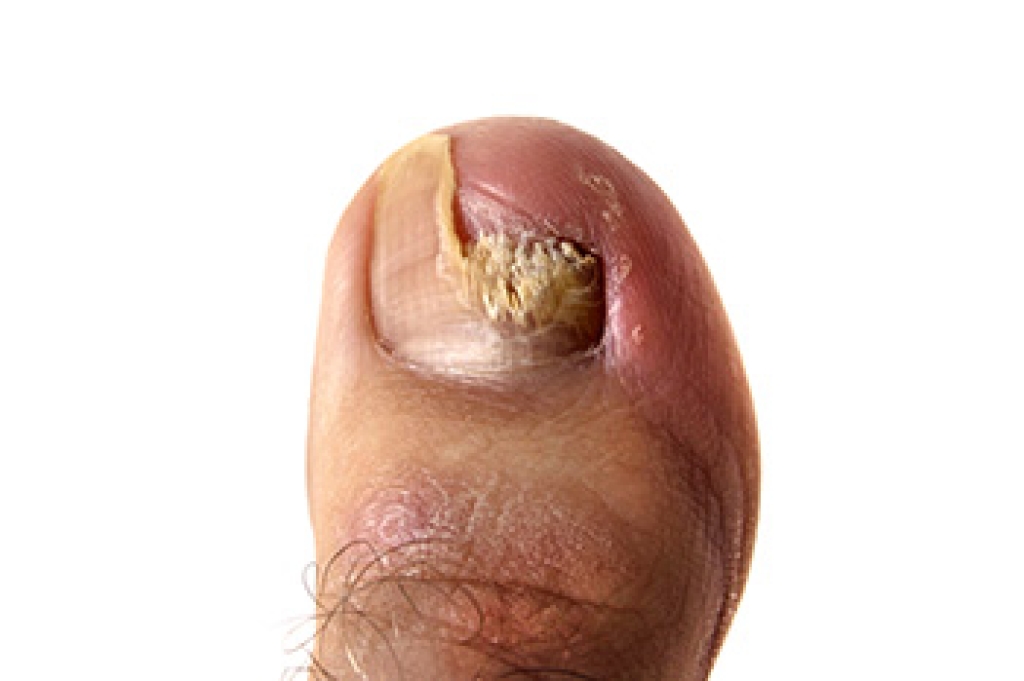
Toenail fungus is a stubborn and unsightly foot condition. It often begins on the nail of the big toe and may travel to the other nails if treatment is not received. It is caused by a fungus that lives in warm and wet environments, such as public swimming pools, gym locker rooms, and similar places. The fungus can enter the body through tiny cracks that are on the skin of the feet. It is easy to prevent this from occurring by wearing flip-flops or water shoes while in these areas. There may also be existing medical conditions that can lead to the development of toenail fungus. These can include diabetes, poor circulation, or illnesses that can affect the immune system. It is beneficial to limit wearing pantyhose, which may cause the feet to sweat and be at risk of developing toenail fungus. If you have this condition, it is suggested that you confer with a podiatrist who can offer prescribed medication or other viable treatment options.

For more information about treatment, contact Kinna Patel, DPM of Sava Podiatry & Wellness Centers. Our doctor can provide the care you need to keep you pain-free and on your feet.

Toenail Fungus Treatment

Toenail fungus is a condition that affects many people and can be especially hard to get rid of. Fortunately, there are several methods to go about treating and avoiding it.

Antifungals & Deterrence

Oral antifungal medicine has been shown to be effective in many cases. It is important to consult with a podiatrist to determine the proper regiment for you, or potentially explore other options.

Applying foot powder on the feet and shoes helps keep the feet free of moisture and sweat.

Sandals or open toed shoes – Wearing these will allow air movement and help keep feet dry. They also expose your feet to light, which fungus cannot tolerate. Socks with moisture wicking material also help as well.

If you have any questions please contact our office located in Smyrna, GA . We offer the newest diagnostic and treatment technologies for all your foot and ankle needs.


Read more about How to Treat Your Toenail Fungus

Reasons for a Tight Achilles Tendon

If you are an active person who frequently uses your legs, your Achilles tendon may feel tight. Wearing shoes with elevated heels, where the heel is higher than the ball of the foot, can shorten the muscles in the back of the leg. This feeling can be replicated by pointing your toes down. While active, this happens naturally, but when it is from shoes, it is an artificial shortening position that can cause tightness. Toe springs in shoes elevate the toes, hold them there without natural engagement, and shorten the muscles from the top of the foot. When the muscle running along the outside of the shinbone is tight, the surrounding muscles tighten up and the Achilles tendon is less likely to stretch and contract fully. Walking barefoot can restore foot function, allow toes to spread out, and build stronger feet, but this has its disadvantages as well. Wearing minimalist or barefoot shoes are alternative options that can be considered. An effective way to prevent the sensation of tightness in the Achilles tendon area is to stretch the legs and feet each day. Rolling a massage ball from the top to the bottom just outside the shin bone is a myofascial release that can relieve tightness. Deep squatting, with or without a wall as support, can also help. If you have a tight Achilles tendon that persists, it is suggested that you visit a podiatrist who can help you with additional treatment options.

Achilles tendon injuries need immediate attention to avoid future complications. If you have any concerns, contact Kinna Patel, DPM of Sava Podiatry & Wellness Centers. Our doctor can provide the care you need to keep you pain-free and on your feet.

What Is the Achilles Tendon?

The Achilles tendon is a tendon that connects the lower leg muscles and calf to the heel of the foot. It is the strongest tendon in the human body and is essential for making movement possible. Because this tendon is such an integral part of the body, any injuries to it can create immense difficulties and should immediately be presented to a doctor.

What Are the Symptoms of an Achilles Tendon Injury?

There are various types of injuries that can affect the Achilles tendon. The two most common injuries are Achilles tendinitis and ruptures of the tendon.

Achilles Tendinitis Symptoms

  • Inflammation
  • Dull to severe pain
  • Increased blood flow to the tendon
  • Thickening of the tendon

Rupture Symptoms

  • Extreme pain and swelling in the foot
  • Total immobility

Treatment and Prevention

Achilles tendon injuries are diagnosed by a thorough physical evaluation, which can include an MRI. Treatment involves rest, physical therapy, and in some cases, surgery. However, various preventative measures can be taken to avoid these injuries, such as:

  • Thorough stretching of the tendon before and after exercise
  • Strengthening exercises like calf raises, squats, leg curls, leg extensions, leg raises, lunges, and leg presses

If you have any questions please feel free to contact our office located in Smyrna, GA . We offer the newest diagnostic tools and technology to treat your foot and ankle needs.

Read more about What are Achilles Tendon Injuries

Wounds That Don't Heal Need to Be Checked

Your feet are covered most of the day. If you're diabetic, periodic screening is important for good health. Numbness is often a sign of diabetic foot and can mask a sore or wound.

Symptoms That May Indicate Gout

Gout is an inflammatory condition that causes extreme pain in the joints and is particularly common in the big toe. Patients with gout suffer from hyperuricemia, an overabundance of uric acid in the bloodstream. Uric acid then crystallizes, forming sharp, short needles that settle in the joint and cause extreme pain. Anyone can suffer from gout, but it is more common among men over the age of 30. Risk factors for gout are genetics, alcohol use, and a diet rich in foods that contain a high level of purines. These include red meat, seafood, and beverages made with alcohol or large amounts of sugar. The top indicator of gout in the big toe is severe pain. This may come on suddenly and typically occurs at night. The intense pain can linger for days. Swelling, tenderness, and redness are also hallmarks of gout. The skin on the toe may begin to peel and then become itchy and flaky. It also may begin to feel hot to the touch. In some cases, a low-grade fever develops, along with flu-like symptoms. If you believe you may have gout in the big toe, it is suggested that you make an appointment with a podiatrist who can offer treatment options.  

Gout is a painful condition that can be treated. If you are seeking treatment, contact Kinna Patel, DPM from Sava Podiatry & Wellness Centers. Our doctor will treat your foot and ankle needs.

What Is Gout?

Gout is a form of arthritis that is characterized by sudden, severe attacks of pain, redness, and tenderness in the joints. The condition usually affects the joint at the base of the big toe. A gout attack can occur at any random time, such as the middle of the night while you are asleep.

Symptoms

  • Intense Joint Pain - Usually around the large joint of your big toe, and it most severe within the first four to twelve hours
  • Lingering Discomfort - Joint discomfort may last from a few days to a few weeks
  • Inflammation and Redness -Affected joints may become swollen, tender, warm and red
  • Limited Range of Motion - May experience a decrease in joint mobility

Risk Factors

  • Genetics - If family members have gout, you’re more likely to have it
  • Medications - Diuretic medications can raise uric acid levels
  • Gender/Age - Gout is more common in men until the age of 60. It is believed that estrogen protects women until that point
  • Diet - Eating red meat and shellfish increases your risk
  • Alcohol - Having more than two alcoholic drinks per day increases your risk
  • Obesity - Obese people are at a higher risk for gout

Prior to visiting your podiatrist to receive treatment for gout, there are a few things you should do beforehand. If you have gout you should write down your symptoms--including when they started and how often you experience them, important medical information you may have, and any questions you may have. Writing down these three things will help your podiatrist in assessing your specific situation so that he or she may provide the best route of treatment for you.

If you have any questions, please feel free to contact our office located in Smyrna, GA . We offer the newest diagnostic and treatment technologies for all your foot care needs.

Read more about Gout

Rigid Versus Soft Orthotics

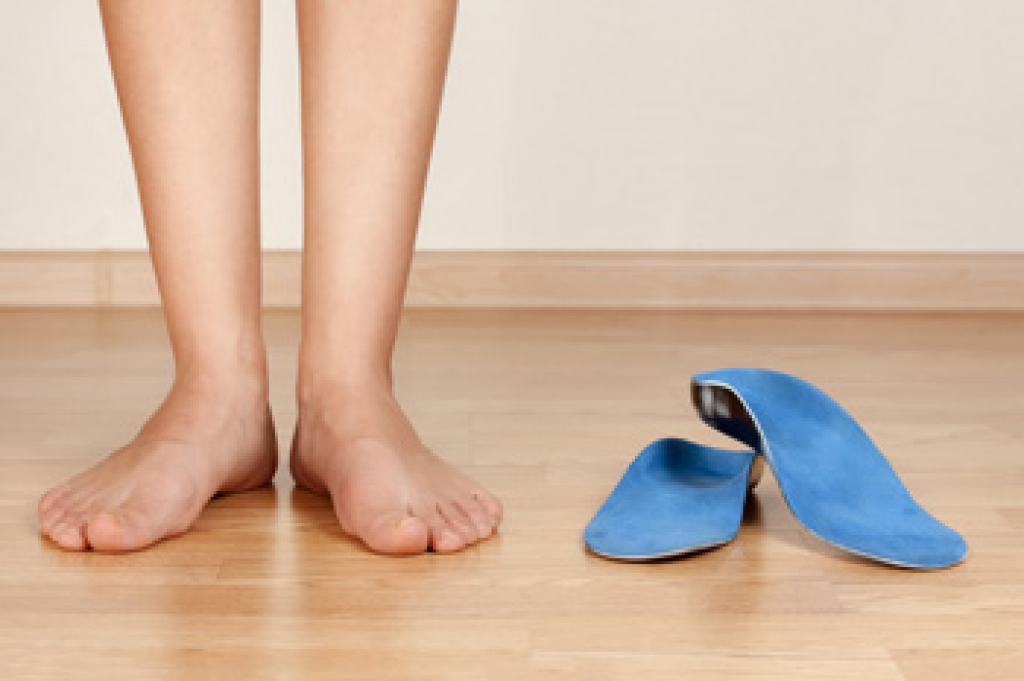
Different types of orthotics offer varying levels of support and relief for foot discomfort. Understanding the distinctions between rigid and soft orthotics can help you determine which type is best suited for your needs. Orthotics' stiffness depends on the materials used, such as flexible foam or solid hard plastic. While rigid orthotics provide enhanced stability and support, they may require a break-in period and are commonly made of hard plastic. They are ideal for conditions like plantar fasciitis or flat feet that require arch support. On the other hand, soft orthotics, typically composed of EVA, a soft elastic type of plastic, excel at relieving pressure on sensitive areas of the feet. Recommended for individuals engaged in high-impact sports, soft orthotics adapt to problem areas, cushion the feet, and provide arch support. If you experience foot discomfort, it is suggested that you consult with a podiatrist for an assessment that can help determine if orthotics are right for you and which type may offer the most benefits.

If you are having discomfort in your feet and would like to try orthotics, contact Kinna Patel, DPM from Sava Podiatry & Wellness Centers. Our doctor can provide the care you need to keep you pain-free and on your feet.

What Are Orthotics?

Orthotics are inserts you can place into your shoes to help with a variety of foot problems such as flat feet or foot pain. Orthotics provide relief and comfort for minor foot and heel pain but can’t correct serious biomechanical problems in your feet.

Over-the-Counter Inserts

Orthotics come in a wide variety of over-the-counter inserts that are used to treat foot pain, heel pain, and minor problems. For example, arch supports can be inserted into your shoes to help correct overarched or flat feet, while gel insoles are often used because they provide comfort and relief from foot and heel pain by alleviating pressure.

Prescription Orthotics

If over-the-counter inserts don’t work for you or if you have a more severe foot concern, it is possible to have your podiatrist prescribe custom orthotics. These high-quality inserts are designed to treat problems such as abnormal motion, plantar fasciitis, and severe forms of heel pain. They can even be used to help patients suffering from diabetes by treating foot ulcers and painful calluses and are usually molded to your feet individually, which allows them to provide full support and comfort.

If you are experiencing minor to severe foot or heel pain, it’s recommended to speak with your podiatrist about the possibilities of using orthotics. A podiatrist can determine which type of orthotic is right for you and allow you to take the first steps towards being pain-free.

If you have any questions, please feel free to contact our office located in Smyrna, GA . We offer the newest diagnostic and treatment technologies for all your foot care needs.

Read more about Ankle Foot Orthotics for Athletes

Your First Step to Getting Better

Don't suffer from your foot or ankle condition any longer!

We offer same day and next day appointments.

We treat: Foot, Ankle, and Knee Conditions.

Request an appointment and we will get back to you as soon as possible!

Invalid Input
Invalid Input
Invalid Input
Date of Birth / /
Invalid Input
Invalid Input
Invalid Input
Invalid Input
Invalid Input
Invalid Input
Invalid Input
Invalid Input
scroll-to-top